3 min read

Salla Blog
Salla Growth Team
What are Consumer Packaged Goods (CPG)?
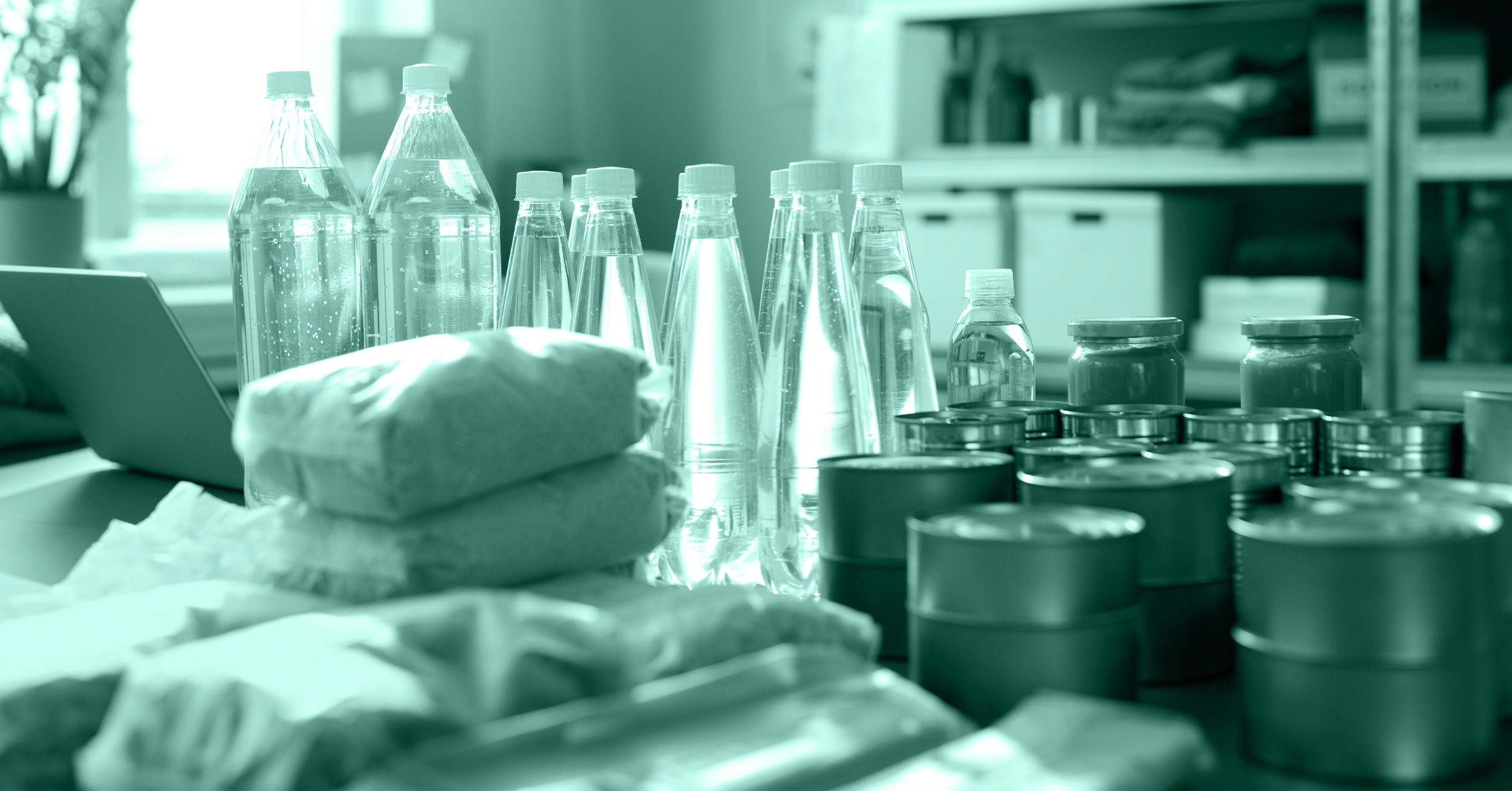
Also known as Fast-Moving Consumer Goods (FMCG), these—meaning CPG—are products that sell quickly due to being designed for immediate, rapid consumption, typically at a relatively low cost. Examples include:
Household goods such as packaged foods, beverages, toiletries, and candy.
Cosmetics.
Some types of medication.
Frozen meals.
Dry goods, and other commonly recognized consumables.
Salla, the Future of E-Commerce, an Easy Platform to Start Your Business
Consumer packaged goods (CPG) are traditionally packaged in easily recognizable wrapping that consumers can identify in record time. In some cases—such as cosmetics, for example—consumers either discard the empty containers or recycle them after using the products. The acronym FMCG is more common in most of Europe and Asia, while the acronym CPG is used in the Americas.
Similarities between CPG and FMCG

Both can have a limited and short shelf life.
Both are in high demand, low cost, and sold in large quantities.
They rely on massive advertising and marketing campaigns to boost sales, customer loyalty, and brand awareness.
Manufacturers of consumer packaged goods and fast-moving consumer goods compete in a crowded market.
Major FMCG and CPG companies often manage a portfolio of brands that offer the same type of products catering to different market segments, for example: P&G, Olay skincare, and others.
Characteristics of Consumer Packaged Goods (CPG)

Fast-moving consumer goods are sold quickly because:
They have a short shelf life.
They are purchased frequently.
They are consumed quickly.
Low involvement (product selection requires little effort).
They are also sold at a low cost compared to other categories of goods, and consumers can easily compare prices for online marketing.
Consumers tend to purchase these CPG products and use them shortly after buying them; this is what drives high demand for them. As with consumer goods in general, CPG prices are usually low, coinciding with high sales volume, enabling them to generate sales with encouraging profits.
The Difference between CPG and Durable Goods

Unlike consumer packaged goods (CPG), which are sold and replaced cheaply and often, sales boosting strategies for durable goods like cars aim for them to last for several years and be enjoyed for long-term use. Consequently, purchasing a durable good typically requires extra effort involving careful, deliberate thinking and extensive comparison, due to the high prices associated with these investments.
Economic recessions often lead to a decline in durable goods sales because people are more prone to hold onto their money in times of economic uncertainty. In contrast, sales of essential packaged goods such as bread, milk, and toothpaste are less affected by market fluctuations.
Types of Consumer Packaged Goods (CPG)
Here are some examples of different CPG categories:
Food and Beverages: Packaged foods, drinks, frozen food products, and others.
Household Products: Cleaning supplies, storage containers, detergents, and other necessities.
Baby and Infant Products: Toys, diapers, baby food, infant formula, and others.
Medications: Over-the-counter pharmaceutical treatments such as pain relievers, vitamins, nutritional supplements, etc.
Beauty, Cosmetics, and Personal Care: Makeup, skincare, haircare, deodorant, shower gel, toothpaste, soap, and others.
Pet Products: Pet food, pet toys, snacks, etc., for pets.
Special Considerations | Consumer Packaged Goods (CPG) in the Digital Age
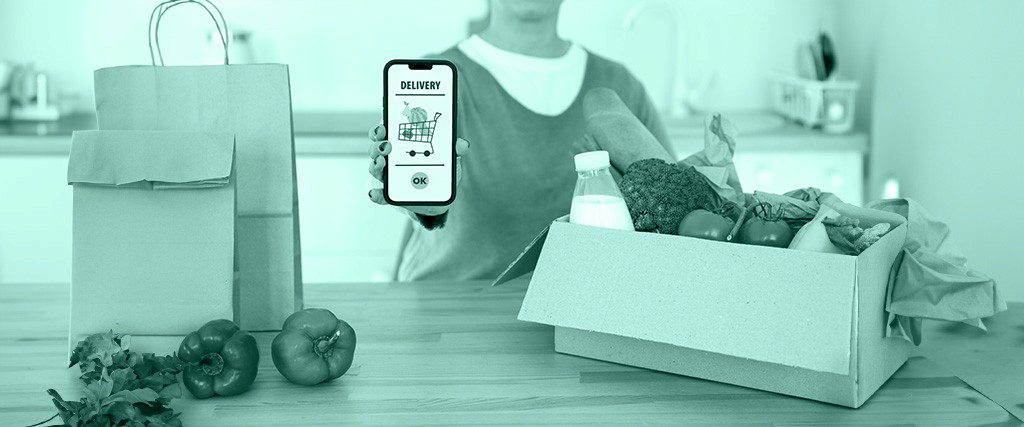
Although consumer packaged goods are typically sold in brick-and-mortar stores, consumers are increasingly turning to online retailers for the ease of the "Click and Collect" model, which allows them to receive text message confirmations that delivery is on its way while they make use of their time.

Salla Blog
Salla Growth Team
189
Article
Featured author

Pricing
Product Pricing: With Professional Pricing Tools and Strategies
How do you price your products and what is its impact on your business? After covering in detail how to create an online store, we will show here in this article how to price your products—whatever type of product you sell—...
12 minutes read
Salla Blog

Brands
Essential steps to build a strong brand
If you mention "building a brand," the initial perception might be the brand's (appearance), the logo, or the trade name, but in reality, this is only a small part of the complete picture—of the "positioning" in the customer's mind...
9 minutes read
Salla Blog

Brands
Steps to register your trademark in Saudi Arabia
The importance of a brand lies in distinguishing your online store's goods and services from competing stores by defining the store's name and logo, and gaining the trust of customers,...
7 minutes read
Salla Blog

Brands
Product packaging is your brand's ambassador
In a highly competitive market, competitive advantage has become the winning card and the defining difference, and at the forefront of these advantages sits innovative product packaging, which can occupy a significant portion of a brand's advantage in the market...
12 minutes read
Salla Blog